Hydraulic elevators are one of the most reliable and cost-effective vertical transportation systems used in residential, commercial, industrial, and institutional buildings. Unlike traction elevators, which rely on ropes, pulleys, and counterweights, hydraulic elevators operate using hydraulic fluid pressure to move the elevator cab smoothly between floors. They are particularly suitable for low-rise buildings where high-speed travel is not required but reliability, safety, and lifting capacity are essential.
Hydraulic elevators are widely recognized for their durability, smooth operation, and ability to transport heavy loads with minimal maintenance. They are commonly installed in office buildings, shopping centers, hospitals, hotels, warehouses, factories, schools, residential apartments, villas, and public facilities.
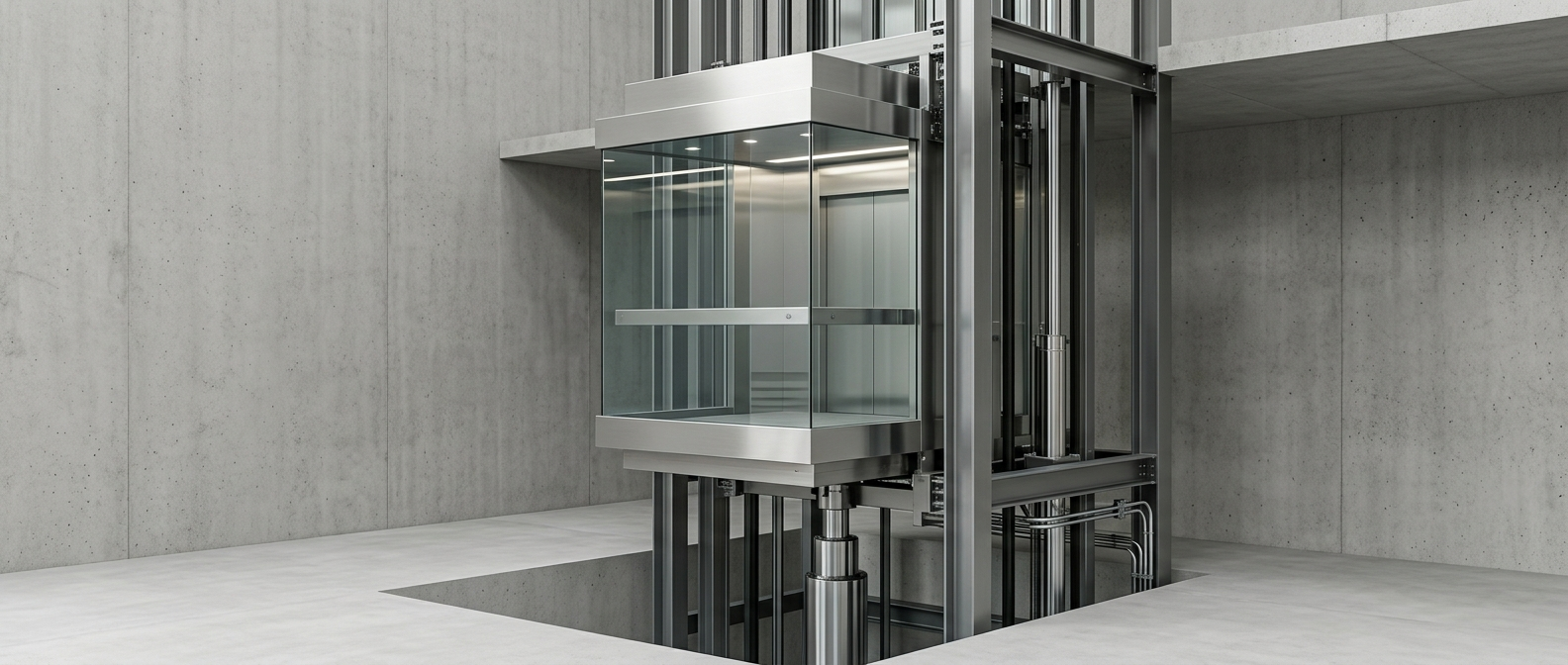
A hydraulic elevator operates using a hydraulic power unit that pumps oil into a cylinder. The pressurized hydraulic fluid pushes a piston upward, lifting the elevator car smoothly to the desired floor. When the elevator needs to descend, a control valve gradually releases the hydraulic fluid back into the reservoir, allowing the cab to lower safely under controlled conditions. The entire lifting process is controlled by an advanced electronic control system that ensures accurate floor leveling, passenger safety, and energy-efficient operation.
Hydraulic elevators generally require lower installation costs than traction elevators because they have fewer mechanical components and simpler installation requirements.
High Load CapacityThese elevators are capable of carrying heavy loads, making them ideal for freight transportation, hospitals, warehouses, and commercial buildings.
Smooth Ride QualityHydraulic technology provides excellent ride comfort with reduced vibration and noise, ensuring a pleasant experience for passengers.
Reliable PerformanceWith fewer moving parts, hydraulic elevators are known for dependable performance and lower maintenance requirements.
Excellent SafetyModern hydraulic elevators include multiple safety mechanisms such as pressure relief valves, emergency lowering systems, overload protection, emergency alarms, and door interlocks to ensure maximum passenger safety.
Flexible InstallationHydraulic elevators can be installed in buildings where overhead space is limited and are suitable for both new construction and modernization projects.